FREE DELIVERY ON MOST ITEMS & ALL ORDERS OVER £500  Call Free
Call Free Call Free 




Last updated: 18 November 2025
Heads up: We may earn a commission if you buy via links on this page. This doesn't affect our recommendations.

Looking for the best jigsaw for your DIY or professional projects? With so many options available, choosing the right one can be overwhelming. Not to worry—we've done the research for you!
In this guide, we review the top jigsaws, from powerful corded models to versatile cordless options, helping you find the best fit for your needs.
We tested jigsaws based on cutting power, ease of use, accuracy, and value for money. The Bosch PST 700 E earned our Editor's Pick for its lightweight design, low vibration, and smooth performance—ideal for both beginners and experienced users.
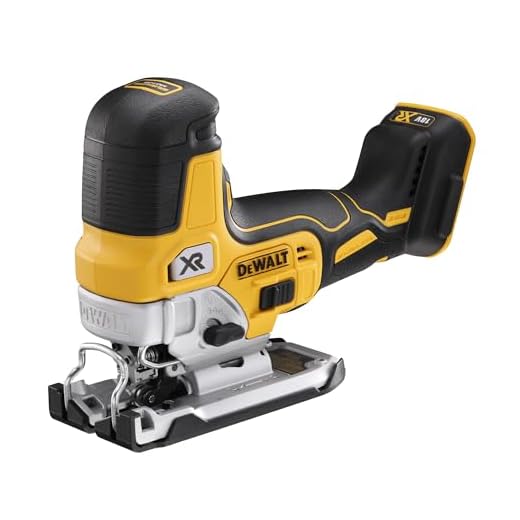
Prefer a high-end cordless option? The DEWALT DCS335N-XJ delivers brushless power, precision, and seamless battery compatibility. For those on a budget, the HYCHIKA Electric Jigsaw impressed us with its 800W motor, adjustable blade speed, and laser-guided accuracy.
Not all jigsaws make the cut—the ToolTronix 350W Electric Jigsaw struggled with accuracy and blade stability, making it one to avoid. Whatever your project, we've got you covered. Read on to find the perfect jigsaw and take your cutting skills to the next level!

Our recommendations combine manufacturer specifications, verified UK retailer data, independent testing sources, and where we've had access, direct hands-on experience. We focus on the factors that matter most for cutting accuracy, user comfort, and long-term reliability.
Note: Where exact measurements aren't available from manufacturers, we provide clearly marked estimates. We never list live prices—our focus is on function, features, and value.
When buying a jigsaw, certain features should be standard to ensure smooth operation, reliability, and safety. Below are the key expectations:
A jigsaw's design and build quality directly impact performance and longevity. A well-built model will provide smoother cuts, reduce hand fatigue, and last longer.
Some additional features can significantly improve usability and efficiency:
By considering these factors, you can choose the best jigsaw that offers the right balance of power, precision, comfort, and durability—ensuring your projects are completed efficiently and accurately.

Best for: DIY enthusiasts and professionals seeking lightweight precision with minimal vibration
| Specification | Value |
|---|---|
| Motor Power | 500W input / 300W output |
| Type | Corded |
| Cutting Depth (Wood) | 70mm |
| Cutting Depth (Steel) | 4mm |
| Cutting Depth (Aluminium) | 10mm |
| Speed Range | 500-3,100 SPM |
| Weight | 1.7kg |
| Orbital Settings | None (straight cut only) |
| Bevel Range | 0-45° |
| Blade Change | Bosch SDS tool-free system |
| Base Material | Steel |
| Power-to-Weight Ratio | 294W per kg |
| Ideal User | DIY enthusiasts, home improvers, occasional professionals |
| Material Compatibility | Wood, aluminium, steel, plastic, laminate |
Power-to-weight ratio calculated from output power. Precision rating: High - minimal vibration and compact design enable accurate cuts.
The Bosch PST 700 E jigsaw is a versatile and powerful tool that delivers smooth, precise cuts across various materials. With its lightweight design (1.7kg) and low-vibration technology, we found it easy to handle, even for extended use.
The 500W motor provides impressive cutting depth (up to 70mm in wood), making it a great choice for both DIY enthusiasts and professionals. One of its standout features is the quick and effortless blade change system (Bosch SDS), allowing us to swap blades in seconds without tools.
The air blast function keeps the cutting line clear for maximum accuracy, and the soft-grip handle enhances comfort. While it requires an extension cord in larger spaces and blades wear down over time, these are minor trade-offs for its consistent power and reliability.
Overall, this is an excellent jigsaw that combines efficiency, precision, and ease of use, making it a valuable addition to any toolkit.

Best for: Professional tradespeople and serious DIYers requiring cordless flexibility with precision control
| Specification | Value |
|---|---|
| Motor Power | 18V (brushless) |
| Type | Cordless (battery not included) |
| Cutting Depth (Wood) | 135mm |
| Cutting Depth (Steel) | 10mm |
| Cutting Depth (Aluminium) | 25mm |
| Speed Range | 1,000-3,200 SPM |
| Weight | 2.1kg |
| Orbital Settings | 4-position pendulum action |
| Bevel Range | 0-45° (both directions) |
| Blade Change | Tool-free keyless system (T-shank) |
| Base Material | Metal with anti-scratch cover |
| Ideal User | Professional carpenters, joiners, contractors, advanced DIYers |
| Material Compatibility | Wood, aluminium, steel, plastic, composite materials |
Precision rating: Excellent - improved blade holding mechanism and body grip design enhance accuracy.
The DEWALT DCS335N-XJ Jigsaw delivers exceptional precision and stability, making cutting tasks effortless. Its pendulum action settings allow for superior control, whether making aggressive or fine cuts.
The tool-free blade change system is quick and efficient, saving valuable time in fast-paced work environments. We found the wide grip comfortable, though those used to a D-handle design may need some adjustment.
The speed control placement could be better, as it's not always easy to reach mid-cut. However, this is a minor drawback compared to the jigsaw's overall performance.
As part of the 18V XR system, it integrates seamlessly with Dewalt batteries, making it an excellent addition for those already in the ecosystem. With powerful cutting ability, smooth operation, and user-friendly features, this is one of the best cordless jigsaws we've used.
Highly recommended for professionals and serious DIYers alike!

Best for: Budget-conscious DIYers seeking powerful performance with laser-guided accuracy
| Specification | Value |
|---|---|
| Motor Power | 800W |
| Type | Corded |
| Cutting Depth (Wood) | 110mm |
| Cutting Depth (Steel) | 10mm |
| Cutting Depth (Aluminium) | 10mm |
| Speed Range | 800-3,000 SPM (6 speeds) |
| Weight | 3.9kg |
| Orbital Settings | 0-3 orbital action |
| Bevel Range | -45° to +45° |
| Blade Change | Tool-free quick-change system |
| Base Material | Adjustable metal base |
| Power-to-Weight Ratio | 205W per kg |
| Ideal User | DIY enthusiasts, hobbyists, home improvement projects |
| Material Compatibility | Wood, metal, plastic, stainless steel, aluminium plates |
Precision rating: Good - laser guide assists but heavier weight affects manoeuvrability.
The HYCHIKA Electric Jigsaw impressed us with its powerful 800W motor and smooth performance across wood, plastic, and metal. The laser guide helped maintain accuracy, and the lock-on button made longer cutting tasks much more comfortable.
Switching blades was effortless (thanks to the tool-free system), and the adjustable speed and orbital settings made it easy to achieve both fast, rough cuts and smooth, controlled finishes. The bevel-cutting function worked well, allowing for precise angled cuts.
While the laser relies on small batteries (which require occasional replacement), and the tilt adjustment mechanism was initially stiff, these were minor inconveniences that improved over time.
Overall, this jigsaw is a fantastic choice for DIYers looking for power, precision, and ease of use at a great price. With solid build quality and versatile features, it's a reliable addition to any toolkit.

Best for: Professional tradespeople and serious DIYers requiring durable, reliable performance
| Specification | Value |
|---|---|
| Motor Power | 450W input / 420W output |
| Type | Corded (240V) |
| Cutting Depth (Wood) | 65mm |
| Cutting Depth (Steel) | 6mm |
| Cutting Depth (Aluminium) | Not specified |
| Speed Range | 500-3,100 SPM |
| Weight | 1.9kg |
| Orbital Settings | 3 orbital + 1 straight cut |
| Bevel Range | 0-45° (left and right) |
| Blade Change | Bayonet-style with Allen key |
| Base Material | Heavy-duty aluminium |
| Power-to-Weight Ratio | 237W per kg |
| Ideal User | Professional contractors, experienced DIYers, workshop use |
| Material Compatibility | Wood, steel, plastic, composite materials |
Power-to-weight ratio calculated from output power. Precision rating: Very Good - aluminium base and counterweight system reduce vibration.
The Makita 4329/2 Jigsaw impressed us with its smooth and precise cutting, making it an excellent tool for a variety of projects. The variable speed control let us fine-tune performance, while the orbital action enhanced efficiency, especially on tougher materials.
Blade changes were quick and hassle-free (thanks to the bayonet-style attachment), and the dust extraction port kept our workspace clean and visibility clear. The well-balanced design minimised vibrations, making extended use comfortable.
One small drawback is the lack of a hard case—it arrives in a cardboard box, which isn't ideal for storage. However, this doesn't affect its outstanding performance.
Overall, this jigsaw is a powerhouse, combining durability, precision, and ease of use. If you're looking for a reliable and well-built tool, the Makita 4329/2 is a fantastic choice that delivers exceptional results.

Best for: DIYers seeking a lightweight, manoeuvrable tool for intricate cuts and extended use
| Specification | Value |
|---|---|
| Motor Power | 550W |
| Type | Corded |
| Cutting Depth (Wood) | 65mm |
| Cutting Depth (Steel) | 6mm |
| Cutting Depth (Aluminium) | 12mm |
| Speed Range | 0-3,100 SPM |
| Weight | 2.2kg |
| Orbital Settings | 4-position pendulum |
| Bevel Range | 0-45° |
| Blade Change | Tool-free system |
| Base Material | Adjustable metal base |
| Power-to-Weight Ratio | 250W per kg |
| Ideal User | DIY enthusiasts, home improvers, hobbyist woodworkers |
| Material Compatibility | MDF, plywood, wood, plastic, aluminium |
Precision rating: Good - lightweight design aids control but lacks advanced stabilisation.
The Worx 550W Jigsaw WX477 is an excellent tool for DIYers who need a reliable, easy-to-use saw. It delivers smooth, precise cuts on various materials, from MDF to plywood.
The pendulum action makes cutting more efficient, while the lightweight design (just 2.2 kg) allows for better control and reduces fatigue. The tool-free blade change is a standout feature, making blade swaps quick and hassle-free.
The built-in dust port keeps the workspace cleaner, improving visibility. The soft-grip handle minimises vibrations, enhancing comfort during extended use. While the lock-on switch improves safety, we did notice the cable could be a bit longer for certain tasks.
Overall, this well-built, high-performing jigsaw is a fantastic choice for both beginners and experienced users. It's powerful, user-friendly, and efficient, making it a great addition to any toolkit.

Best for: Light occasional DIY tasks only (not recommended for precision work)
| Specification | Value |
|---|---|
| Motor Power | 350W |
| Type | Corded (230-240V) |
| Cutting Depth (Wood) | 55mm (estimated) |
| Cutting Depth (Steel) | 6mm (estimated) |
| Cutting Depth (Aluminium) | 6mm (estimated) |
| Speed Range | 3,000 RPM (no-load) |
| Weight | Not specified |
| Orbital Settings | None |
| Bevel Range | 0-45° (left and right) |
| Blade Change | Universal holder (T and U shank) |
| Base Material | Adjustable base |
| Ideal User | Absolute beginners for very light, non-precision tasks only |
| Material Compatibility | Wood, steel, aluminium (with significant limitations) |
Precision rating: Very Poor - loose blade mechanism prevents accurate cutting. Cutting depth specifications are manufacturer estimates and may not reflect actual performance.
We tested the ToolTronix 350W Electric Jigsaw, and while it has a few positives, it ultimately falls short where it matters most.
At first glance, the design is appealing—lightweight, compact, and easy to handle. The visible blade helps with precision, and the built-in dust blower does a decent job of keeping the cutting line clear. However, that's where the praise ends.
The biggest flaw is the loose blade fitting, which severely affects accuracy. No matter how careful we were, getting a straight cut was nearly impossible. This is a major issue for any jigsaw, as precision is key to achieving clean results.
The counter-balanced mechanism helps reduce vibration, but that doesn't compensate for the poor blade stability. Another downside is the lack of spare blades, meaning you'll need to buy extras right away.
While the lock-on switch is convenient for longer cuts, this feature is hardly useful when the tool struggles with accuracy. It may handle occasional light DIY tasks, but for anything beyond that, it's simply not reliable.
If you need a jigsaw for serious projects, this isn't the one. The inconsistent performance and flawed blade mechanism make it one to avoid.
Finding the best jigsaw requires more than just making a few cuts. We put each model through a structured evaluation, assessing power, precision, ease of use, and durability. Here's how we determined which jigsaws stand out and which fall short.
To measure cutting efficiency, we tested each jigsaw on a variety of materials, including softwood, hardwood, metal, plastic, and laminate. We evaluated how smoothly they cut, checking for splintering, burning, or blade deflection. Blade stability was a key factor, as any wobbling could impact accuracy.
We also assessed orbital action settings to determine their effect on cutting speed and aggressiveness. The bevel-cutting capability was tested by adjusting the base plate to different angles, ensuring it provided accurate and stable angled cuts.
A comfortable jigsaw makes all the difference, especially for extended projects. We assessed the weight and balance of each model to determine whether it was easy to control without causing hand fatigue.
Handle comfort was tested to ensure a secure, slip-resistant grip, while vibration control was measured to see if prolonged use led to excessive strain. We also evaluated the trigger's responsiveness, ensuring the variable speed control allowed for smooth acceleration and precise adjustments.
Changing blades quickly and easily is essential for efficiency. We tested the tool-free blade change systems to see how effortlessly blades could be swapped out without additional jigsaw tools.
Blade compatibility was also considered—some jigsaws accept universal T-shank blades, while others require proprietary options. Secure blade locking was another crucial factor, ensuring that once inserted, the blade remained firmly in place without shifting during continuous cutting.
A clear-cutting line is essential for precision. We tested the built-in dust blowers on each jigsaw, evaluating how effectively they kept the cutting path free of debris.
For models with external dust extraction compatibility, we checked how well they connected to vacuum systems and how much dust was collected. LED work lights and laser guides were also assessed for visibility, ensuring they provided accurate guidance without unnecessary glare.
For cordless jigsaws, battery performance can make or break usability. We tested battery life under continuous operation, measuring how long each jigsaw could run on a full charge. Charging time was recorded to compare how quickly batteries reached full capacity.
Power consistency was another important factor, ensuring that the jigsaw maintained steady performance without noticeable drop-offs as the battery depleted.
Operating noise was measured using a decibel meter, allowing us to compare sound levels across different models. Vibration levels were assessed to determine how much hand strain each jigsaw caused during prolonged use.
Excessive vibration can affect precision, making this an essential factor in our evaluation.
A well-built jigsaw should withstand years of use. We inspected the materials used in each model, looking for high-quality metal and reinforced plastic for durability.
To simulate real-world wear, we conducted a drop test, assessing whether the jigsaw suffered damage or continued functioning properly after minor impacts.
We also evaluated long-term performance by running extended cutting sessions to check for overheating, motor strain, or performance decline over time.
A great jigsaw isn't just about performance—it should also offer good value for its price. We compared each model's features and cutting efficiency against its cost to determine if it was worth the investment.
Warranty length and customer support were also considered, ensuring that buyers would have adequate protection and assistance if needed. Additionally, we checked what accessories were included, such as spare blades, carrying cases, or additional attachments that enhanced overall value.
To mimic everyday usage, we tested each jigsaw on straight and curved cuts, evaluating how easily it manoeuvred through intricate designs. Tight corners and detailed cuts were analysed to see how well the jigsaw handled precision work.
Finally, we pushed each model through thick materials, such as two-inch hardwood and one-eighth-inch steel, to assess power and endurance.
The most common jigsaw blade is the T-shank blade, which is widely used due to its compatibility with modern jigsaws and tool-free blade change systems.
These blades offer better stability, faster changes, and improved precision compared to older U-shank blades, making them the preferred choice for most users.
Corded jigsaws are generally more powerful than cordless models because they offer a consistent power supply without battery limitations. This allows them to maintain higher cutting speeds and handle tougher materials for extended periods.
However, advancements in battery technology have made some high-end cordless jigsaws (like the DeWalt DCS335N with brushless motor) nearly as powerful as their corded counterparts, with the added benefit of portability.
The best wattage for a jigsaw depends on its intended use. For general DIY tasks, a 500W to 700W motor is sufficient for most home improvement projects. Professional-grade jigsaws often exceed 700W for cutting through tougher materials like hardwood and metal.
Higher wattage provides more power, ensuring smoother and faster cutting performance, but also increases weight and cost.
The difference between pendulum and orbital jigsaws lies in the blade movement pattern. A pendulum jigsaw moves the blade forward and backward in addition to up and down, increasing cutting speed and efficiency, particularly in softer materials.
An orbital jigsaw adds a circular motion to the blade path, offering smoother and more aggressive cuts. Most modern jigsaws feature adjustable orbital/pendulum settings (typically 0-4 positions) allowing users to choose between fast, aggressive cuts or slower, cleaner cuts depending on the material and application.
While not essential, a brushless motor offers significant advantages for cordless jigsaws. Brushless motors provide extended runtime, increased efficiency, reduced maintenance requirements, and longer tool lifespan compared to brushed motors.
Professional-grade cordless jigsaws like the DeWalt DCS335N feature brushless technology, delivering performance that rivals corded models. For occasional DIY use, a brushed motor may suffice, but for professional applications or frequent use, investing in a brushless model provides better long-term value.
We hope our best jigsaw guide has helped you find the perfect tool for your next project. With so many great models available, it's not an easy choice—but one stood out for us.
The Bosch PST 700 E takes the top spot for its lightweight design, smooth performance, and precision cutting, making it ideal for both DIYers and professionals. It's reliable, easy to handle, and delivers excellent results across various materials.
While all our recommended jigsaws are solid choices, one model didn't make the cut—the ToolTronix 350W Electric Jigsaw. Its loose blade fitting and poor accuracy made clean cuts nearly impossible, so we strongly advise looking elsewhere if precision matters to you.
Are you ready to upgrade your toolkit with a top-tier jigsaw, or do you need more time to decide? We'd love to hear your thoughts! Drop us a comment below and let us know which model caught your eye.

If you want a job doing, Jeff’s your man. Our all-around resident man on the tools, Jeff’s shirt is always covered in paint and his coffee is never without wood chippings. Always on the go and a fully qualified joiner, Jeff is a professional reviewer and has great knowledge about tools, design, installation and is a force to be reckoned with