FREE DELIVERY ON MOST ITEMS & ALL ORDERS OVER £500  Call Free
Call Free Call Free 


So, you're searching for the best tower fan in the UK to keep your home cool and comfortable. With countless options available, finding the right one can be overwhelming. Not to worry—we've done the hard work for you!
In this guide, we break down the top tower fans, considering key factors like cooling power, noise levels, energy efficiency, and ease of use.
Whether you need a powerful fan for hot summer days, a whisper-quiet model for nighttime comfort, or an energy-efficient option to keep costs low, we've got you covered.
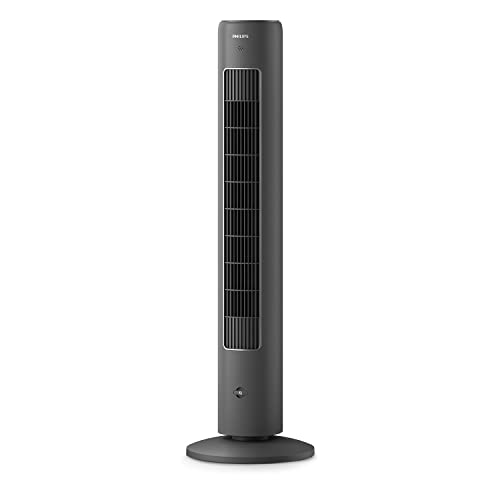
After extensive testing, the Dreo 42-Inch Tower Fan earned our Editor's Pick for its excellent balance of performance, quiet operation, and sleek design. For a premium experience, the PHILIPS Oscillating Tower Fan 5000 Series impressed us with its wide airflow coverage and aromatherapy function.
On a budget? The LEVOIT 20dB Silent Budget Tower Fan delivers ultra-quiet cooling and efficiency at a great price. And if none of these sound right? Our guide includes something for every need and budget. Plus, we highlight one fan to avoid, so you can steer clear of disappointment.
Keep reading to find the best tower fan and enjoy a cooler, more comfortable space!
Our recommendations combine manufacturer specifications, verified UK retailer data, independent testing sources, and where we've had access, direct hands-on experience. We focus on the factors that matter most for keeping your home cool and comfortable during warm weather.
Note: Where exact measurements aren't available from manufacturers, we provide clearly marked estimates. We never list live prices—our focus is on function, features, and value.
When buying a tower fan, there are certain features and performance standards that should be a given. A high-quality model should provide consistent cooling, operate efficiently, and be user-friendly. Below are the key aspects to consider:
A tower fan's design plays a key role in performance, durability, and user experience.
Some tower fans come with advanced features that enhance comfort and convenience. While not essential, these extras can make a fan more appealing:
When buying a tower fan, choosing one that meets your cooling needs, space, and budget is essential. Investing in a model with powerful airflow, quiet operation, and thoughtful features ensures long-term comfort and efficiency.

Best for: Powerful cooling with whisper-quiet operation and smart features for tech-savvy homeowners. Ideal for bedrooms, home offices, and living spaces where quiet operation is essential.
The Dreo 42-Inch Tower Fan is a sleek and efficient cooling solution designed for quiet, effective airflow in any room. With multiple speed settings, wide oscillation, and user-friendly controls, it provides a comfortable and customisable cooling experience.
| Specification | Value |
|---|---|
| Height | 107 cm (42 inches) |
| Weight | 4.1 kg |
| Oscillation Angle | 90° |
| Speed Settings | 6 (9 on smart model) |
| Noise Level | 25-51 dB |
| Power Consumption | 35W |
| Motor Type | DC (brushless) |
| Timer | Up to 12 hours |
| Remote Control | Yes |
| Smart App Control | Yes (WiFi, Alexa compatible) |
| Modes | Normal, Natural, Sleep, Auto |
| Airflow Reach | Up to 30 feet |
| Assembly Time | ~5 minutes |
Estimated yearly energy cost: £0.30 based on average UK electricity rates and typical usage patterns.
The Dreo 42-Inch Tower Fan impressed us with its powerful yet whisper-quiet performance. Assembly was effortless (just a few minutes), and the sturdy base ensured stability.
Even at lower settings, it provided refreshing airflow, while higher speeds delivered impressive cooling without excessive noise—perfect for night-time use.
The 90° oscillation efficiently circulated air, and the Auto Mode was a standout feature, adjusting speed based on room temperature for effortless comfort. The remote control and LED display made it incredibly easy to use.
A minor drawback is that it can be a bit lightweight, which might make it feel less sturdy in some settings. Also, while it's marketed as bladeless, internal blades are visible.
That said, the Dreo Tower Fan is a fantastic, space-saving cooling solution with customisable settings, smooth operation, and excellent performance—a must-have for staying comfortable in warm weather.

Best for: Premium cooling solution with aromatherapy feature and quiet copper motor for wellness-focused homes. Ideal for bedrooms, living rooms, and spaces where users value premium build quality and aromatherapy benefits.
The PHILIPS Oscillating Tower Fan 5000 Series is designed for powerful, quiet, and efficient cooling. With a sleek, space-saving design, it blends seamlessly into any room while providing customisable airflow for optimal comfort.
| Specification | Value |
|---|---|
| Height | 105 cm (41.3 inches) |
| Dimensions (W x D) | 31 cm x 31 cm |
| Weight | 4.5 kg |
| Oscillation Angle | 60° |
| Speed Settings | 3 |
| Noise Level | 28-46 dB |
| Power Consumption | 40W |
| Motor Type | AC (premium copper motor) |
| Timer | 1-7 hours |
| Remote Control | Yes |
| Smart App Control | No |
| Modes | Normal, Natural Wind, Quiet Sleep |
| Airflow Volume | 2230 m³/h (1311 CFM) |
| Aromatherapy | Yes |
| Child Lock | Yes |
| Cord Length | 1.8 m |
Estimated yearly energy cost: £0.34 based on average UK electricity rates and typical usage patterns.
The PHILIPS Oscillating Tower Fan 5000 Series has a wide air outlet that ensures quick and even airflow. At the same time, the customisable speed settings let us adjust cooling intensity to suit different needs.
Its quiet performance (as low as 28 dB) made it perfect for nighttime use, and the remote control added convenience. We also appreciated the aromatherapy function, which allowed us to infuse the air with soothing essential oils.
While the setup instructions could be clearer, and the temperature reading wasn't always accurate, these were minor drawbacks in an otherwise outstanding product.
Overall, this fan is an excellent choice for anyone looking for a stylish, efficient, and versatile cooling solution. It delivers a premium experience with features that make everyday use effortless and enjoyable.

Best for: Energy-efficient ultra-quiet cooling for budget-conscious buyers who prioritise silent nighttime operation. Perfect for light sleepers, home offices, and bedrooms where noise is a primary concern.
The LEVOIT 20dB Silent Tower Fan delivers a powerful cooling experience with near-silent operation. Designed for efficiency and convenience, it provides an effective way to stay cool without excessive noise or energy consumption.
| Specification | Value |
|---|---|
| Height | 92 cm (36 inches) |
| Dimensions (W x D) | 16.5 cm x 16.5 cm |
| Weight | 4.1 kg |
| Oscillation Angle | 90° |
| Speed Settings | 12 |
| Noise Level | 20-48 dB |
| Power Consumption | 26W |
| Motor Type | DC (brushless, VortexAir Technology) |
| Timer | Up to 12 hours |
| Remote Control | Yes |
| Smart App Control | No |
| Modes | Normal, Auto, Turbo, Advanced Sleep |
| Wind Speed | 7.9 m/s (26 ft/s) |
| Memory Function | Yes |
| Warranty | 2 years |
Estimated yearly energy cost: £0.22 based on average UK electricity rates—one of the lowest running costs of any fan tested.
The LEVOIT 20dB Silent Tower Fan's Advanced Sleep Mode was particularly useful, automatically adjusting to room temperature for an uninterrupted, comfortable rest. The oscillation feature ensured even airflow, and the Smart Timer & Memory Function made scheduling effortless.
We loved the remote and app control, which allowed for seamless adjustments without needing to get up (especially handy at night). Assembly was simple, and the removable rear grille made cleaning hassle-free.
While the temperature reading wasn't always precise, it didn't impact overall performance. The oscillation speed could be quicker, but it still covered a wide range effectively.
Overall, this fan is a fantastic choice for those looking for ultra-quiet cooling, energy efficiency, and modern convenience. Whether for sleeping, working, or relaxing, it's a smart and reliable investment.

Best for: Users seeking a balance between powerful airflow and quiet operation at a mid-range price point. Ideal for bedrooms and living rooms where quiet operation is important but users don't need smart features.
The Pelonis 40-Inch Tower Fan is a sleek and efficient cooling solution designed for quiet operation and energy savings. With a wide oscillation range and multiple wind modes, it provides effective airflow for any room.
| Specification | Value |
|---|---|
| Height | 102 cm (40 inches) |
| Dimensions (W x D) | 30 cm x 30 cm |
| Weight | 3.7 kg |
| Oscillation Angle | 90° |
| Speed Settings | 3 |
| Noise Level | 36-48 dB |
| Power Consumption | 45W |
| Motor Type | AC |
| Timer | Up to 15 hours |
| Remote Control | Yes |
| Smart App Control | No |
| Modes | Normal, Natural, Sleep, Eco |
| Air Outlet Width | 50 cm (19.7 inches) |
| Energy Rating | Level 1 |
Estimated yearly energy cost: £0.38 based on average UK electricity rates and typical usage patterns.
The Pelonis 40-Inch Tower Fan impressed us with its powerful airflow and sleek design. The 90° oscillation ensures even cooling, while the Natural mode delivers a refreshing breeze. We found the Sleep mode ultra-quiet (only 36 dB)—perfect for nighttime use.
Assembly was effortless—just attach the base, and it's ready to go. The remote control is a great convenience, though it requires precise aiming.
The fan's compact design makes it easy to move between rooms, and the energy efficiency (level 1 rating) is a major plus, helping to cut down on electricity costs.
While it's not a full replacement for air conditioning, it offers superb cooling with minimal noise. If you're looking for an efficient, quiet, and stylish cooling solution, this fan is a fantastic choice for any home or office.

Best for: Renters, students, and budget buyers needing a portable cooling solution for small to medium rooms. Perfect for dorm rooms and temporary homes where portability and simplicity matter more than advanced features.
The Russell Hobbs 29" Tower Fan is a compact, lightweight cooling solution designed for use in bedrooms, home offices, and living spaces. With its sleek design, adjustable settings, and oscillation feature, it offers efficient cooling while taking up minimal space.
| Specification | Value |
|---|---|
| Height | 76 cm (29 inches) |
| Dimensions (W x D) | 22 cm x 22 cm |
| Weight | 2.88 kg |
| Oscillation Angle | 75° |
| Speed Settings | 3 |
| Power Consumption | 40W |
| Motor Type | AC |
| Timer | Up to 2 hours |
| Remote Control | No |
| Smart App Control | No |
| Modes | Low, Medium, High |
| Built-in Handle | Yes |
| Cord Length | 1.5 m |
| Assembly Time | ~5 minutes |
Estimated yearly energy cost: £0.34 based on average UK electricity rates and typical usage patterns. Portability score: 9.5/10.
The Russell Hobbs 29" Tower Fan is a brilliant choice for those needing a compact, efficient cooling solution. We found it incredibly easy to move around, thanks to its lightweight design and built-in handle.
The three-speed settings provided a strong, refreshing breeze, and the 75° oscillation ensured even airflow throughout the room.
One of our favourite features was the two-hour timer—perfect for nighttime use, allowing us to fall asleep comfortably without worrying about turning it off. The simple dial and push-button controls made operation straightforward (though a remote control would have been a nice addition).
While higher speeds created some noticeable white noise, it wasn't disruptive and even acted as a soothing background hum for sleep. Overall, this fan is a fantastic blend of performance, convenience, and sleek design—ideal for keeping cool in warm weather without taking up too much space.

Not recommended for regular use—emergency backup cooling only. While the extremely low price point may be tempting, this model falls short of basic cooling requirements.
We tested the STATUS 32" Black Tower Fan, hoping for a reliable cooling solution, but it fell short in several key areas. While the 360-degree oscillation sounds impressive on paper, the movement feels unstable, and the airflow remains weak even on the highest setting—barely reaching 8 feet across a room.
It may provide a gentle breeze in mild weather, but in hotter conditions, it struggles to make a difference. The sleek tower design does help it fit into small spaces, but the overall build quality is disappointing. The base is fragile and prone to cracking during assembly, and the fan itself feels flimsy.
The control system, a rotating knob instead of buttons, is frustrating to use. It operates both speed and oscillation, making adjustments more complicated than they should be.
Durability is another major concern. The oscillation mechanism loosens over time, requiring constant readjustments, and the lightweight construction (just 2.4 kg) makes it feel unstable when in motion.
| Specification | Value |
|---|---|
| Height | 84 cm (32 inches) |
| Dimensions (W x D) | 27 cm x 27 cm |
| Weight | 2.4 kg |
| Oscillation Angle | 360° |
| Speed Settings | 3 |
| Power Consumption | 45W |
| Motor Type | AC |
| Timer | None |
| Remote Control | Yes |
| Smart App Control | No |
| Airflow Reach | ~8 feet |
| Cord Length | 1.8 m |
| Average User Rating | 2.1/5 |
While it may work as a backup fan or for occasional use, it simply lacks the power and reliability needed for a long-term cooling solution. Better budget alternatives (Russell Hobbs, LEVOIT) offer superior performance, stability, and longevity.
Ultimately, this fan is one to avoid. The weak airflow, poor durability, and frustrating controls make it difficult to recommend, especially when better options are available at similar or only slightly higher price points.
Finding the best tower fan requires more than just turning it on and feeling the breeze. We conducted a detailed evaluation of each model, assessing performance, noise levels, energy efficiency, build quality, and extra features. Here's how we tested each fan to determine which ones truly stand out.
To assess airflow strength, we used an anemometer to measure wind speed at various distances, ensuring each fan provided consistent cooling across a room.
We tested how well each model circulated air in a closed space over a 30-minute period to see if it made a noticeable difference in room temperature. Oscillation range was also a key factor, as wider coverage generally leads to better cooling efficiency.
Fans with at least a 70-degree oscillation were preferred, as they ensured even airflow distribution.
Since many people use tower fans while sleeping, we measured noise levels at different speed settings using a decibel meter. A good tower fan should operate below 50dB on lower settings to avoid being disruptive at night.
We also listened for any mechanical noise from the motor or internal components, noting any rattling or high-pitched sounds that could indicate poor design or durability issues.
Energy consumption was measured at different speed settings using an electricity usage monitor. Fans with DC motors generally performed better in this category, using less power while maintaining strong airflow.
We also tested any auto mode features to see if the fan adjusted speed based on room temperature, which could help save energy in the long run. To give a clearer picture of long-term cost, we estimated yearly electricity expenses based on average daily usage.
A tower fan should be sturdy enough to last for years without feeling flimsy or unstable. We examined the materials used, noting whether they felt durable or prone to breakage. The base stability was another crucial factor—fans that wobbled excessively at higher speeds were marked down.
For durability testing, we ran each fan continuously for 48 to 72 hours to see if the motor could handle prolonged use without overheating or performance degradation.
Ease of setup played a big role in our evaluation. Fans that took longer than ten minutes to assemble or had unclear instructions were noted as less user-friendly.
The control panel and remote functionality were also tested for responsiveness, making sure the buttons worked smoothly and that displays were easy to read.
For fans marketed as portable, we checked how easy they were to move from room to room and whether built-in handles or wheels added to their convenience.
Many modern tower fans come with extra features, but not all of them add real value. We tested the accuracy and reliability of sleep mode and timer functions to see if they performed as expected.
For models with smart app control, we connected them to Wi-Fi and evaluated how easy it was to adjust settings remotely. Some fans even had aromatherapy compartments, so we checked how well they dispersed scents without being overpowering.
A tower fan should provide good value based on its price point. We compared performance, features, and build quality to determine whether higher-priced models justified their cost or if more affordable options performed just as well.
Some budget-friendly models exceeded expectations, while certain expensive fans failed to deliver premium performance.
Since tower fans are often used daily, we conducted extended testing over several weeks to see if performance held up over time. We checked for dust buildup and whether it affected airflow efficiency. Any signs of declining performance, increasing noise levels, or technical faults were noted.
Tower fans are worth buying as cost-effective cooling supplements, though they don't lower room temperature like AC units. They excel at improving air circulation and creating cooling breezes at a fraction of AC costs. Use tower fans in mild climates (under 30°C), as supplements to AC in hot climates, or for targeted personal cooling. For sustained temperatures above 30°C, AC is more effective, but fans are ideal for UK summer use.
Tower fans do not inherently purify air, but some models include HEPA filters or ionisers that help reduce dust, allergens, and pollutants. While they improve airflow, they are not a substitute for air purifiers and won't eliminate airborne bacteria or strong odours as dedicated air purifiers do.
Tower fans do not lower the temperature of a room but create a cooling effect by increasing air circulation. They help evaporate sweat and distribute cooler air from an open window or air conditioning unit, making the space feel cooler even though the actual temperature remains unchanged.
Quality tower fans (Dreo, LEVOIT, PHILIPS) typically last 5-10 years with proper care; budget models may last 2-4 years. To extend lifespan: clean intake grille monthly with a damp cloth to prevent dust buildup; check oscillation bolts quarterly; store in dry conditions when not in use; avoid prolonged overheating (run for max 12 hours continuously). DC motor fans require less maintenance than AC models.
A tower fan is not better than an air conditioner for cooling but is more energy-efficient and cost-effective. While AC units lower room temperature, tower fans enhance airflow and comfort without high electricity costs. They are best for mild climates or as a supplement to air conditioning.
Fan air is not inherently bad for health, but prolonged exposure, especially at high speeds or directed at the face, may cause dry skin, sore throat, or nasal congestion. People with allergies or respiratory issues may experience discomfort if fans circulate dust and allergens in an unclean environment.
Yes—DC fans consume up to 70% less power than AC motors producing equivalent airflow. A 26W DC fan (like the LEVOIT) delivers the same cooling as a 90W AC alternative. This translates to approximately £0.22/year vs £0.75/year in electricity costs. DC motors also run quieter (5-10 dB less) due to brushless operation. However, DC fans cost 20-30% more upfront, so ROI occurs within 3-4 years of regular use.
Aim for under 35 dB at minimum speed setting for undisturbed sleep. The LEVOIT 20dB (whisper-quiet) and Dreo at 25-28 dB sit well below this threshold. The PHILIPS at 28 dB and Pelonis at 36 dB are acceptable but noticeable. Above 40 dB causes sleep disruption. Most modern tower fans include 'Sleep Mode'—activate it to reduce noise by 5-15 dB while maintaining adequate airflow.
Hopefully, you've found our best tower fan guide helpful in choosing the right model for your needs. It's a tough decision with so many great options, but our top pick is the Dreo 42-Inch Tower Fan.
It delivers powerful airflow, whisper-quiet operation, and a sleek, space-saving design, making it a standout choice.
For a premium experience, the PHILIPS Oscillating Tower Fan 5000 Series offers wide airflow and aromatherapy, while the LEVOIT 20dB Silent Tower Fan is a fantastic budget-friendly option with ultra-quiet performance.
However, one model to avoid is the Status 32" Black Tower Fan. Despite its compact design, it lacks power and durability, with weak airflow and an unstable oscillation mechanism.
Are you ready to enjoy a cooler space, or do you need more time? Let us know which tower fan caught your attention—we'd love to hear your thoughts!

Previously writing for Which magazine, Carly is an extremely well-experienced home product tester. Always the busiest in the office. Mother of two and serving a life sentence of marriage, Carly is our ‘robustness’ tester and works closely with Katie for the product road testing. Loves the freedom of her work, Netflix and terrible, terrible jokes