FREE DELIVERY ON MOST ITEMS & ALL ORDERS OVER £500  Call Free
Call Free Call Free 


Key Takeaways -
Solar panels can power a greenhouse, providing a reliable and eco-friendly energy source. Even in the UK's cloudy weather, the right setup can generate enough electricity for heating, lighting, and irrigation.
This article will explain how solar panels work for greenhouses, the key benefits, and what factors to consider when setting up a system. It will also cover energy storage and common challenges like limited sunlight and initial costs.
Keep reading to learn how solar power can make your greenhouse more efficient and sustainable. Whether you want to cut energy costs or grow crops year-round, understanding how solar panels can support your greenhouse is essential.
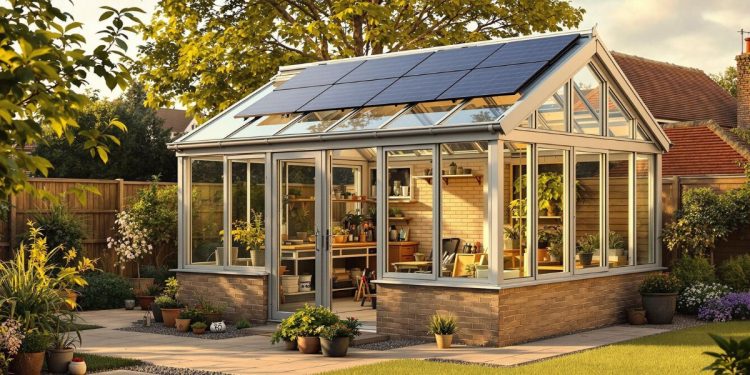
Photovoltaic (PV) cells in solar panels convert sunlight into electricity, harnessing solar energy efficiently. These cells contain semiconductor materials, usually silicon, that absorb sunlight and release electrons, creating an electric current.
This process called the photovoltaic effect, allows greenhouses to power heating, lighting, and irrigation systems using solar energy. Solar panels produce direct current (DC) electricity, but most greenhouse equipment runs on alternating current (AC).
An inverter converts DC to AC, making the power usable for fans, heaters, and pumps while ensuring a steady energy supply for greenhouse operations.
Greenhouses can use different solar power systems depending on their energy needs, budget, and local climate. Each system has its own way of capturing and using solar energy to maintain the right growing conditions.
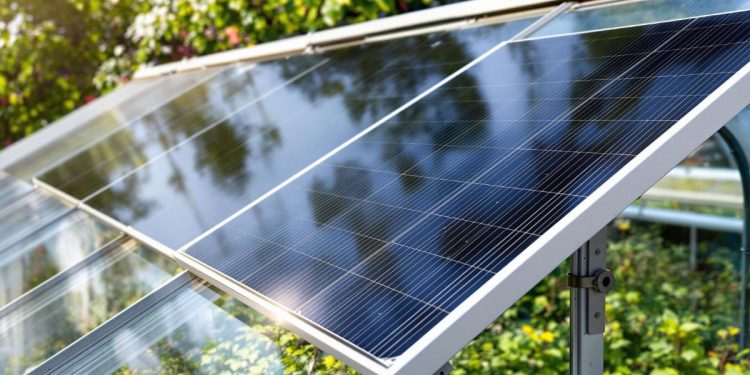
Solar panels are the main power source for a solar greenhouse. Monocrystalline panels are more efficient and last longer, while polycrystalline panels are more affordable but slightly less efficient. Choosing the right type depends on budget and energy needs.
Proper placement and orientation are key to maximising energy production. Panels should face south and be tilted at an optimal angle to capture the most sunlight. For greenhouses in the UK, high-efficiency panels and proper positioning help generate enough power, even on cloudy days.
Batteries store excess solar energy, ensuring power is available at night and during cloudy weather. Without storage, a solar-powered greenhouse may struggle to maintain heating, lighting, and irrigation.
Common battery types include lithium-ion, which is long-lasting and efficient; lead-acid, which is more affordable but requires maintenance; and LiFePO4, a durable and safe option. The right choice depends on energy needs, budget, and how often backup power is required.
An inverter transforms direct current (DC) electricity from solar panels into alternating current (AC), supplying power to most greenhouse equipment. Without an inverter, solar-generated electricity wouldn't be usable.
A charge controller regulates power flow between the solar panels and batteries, preventing overcharging and extending battery life. This helps maintain a steady and reliable power supply, reducing the risk of power shortages or damage to greenhouse systems.
Maintaining the right temperature is crucial for plant growth. Solar heaters help keep the greenhouse warm during colder months by using stored solar energy. Some systems use thermal mass, such as water barrels or stone walls, to absorb and slowly release heat.
Solar-powered ventilation is essential for cooling during warmer months. Fans powered by solar energy circulate air, preventing overheating and maintaining a stable growing environment. A well-designed system balances heating and cooling for year-round efficiency.
Smart technology helps greenhouse owners track energy usage and maintain optimal growing conditions. Solar-powered monitoring systems provide real-time data on temperature, humidity, and power consumption.
These systems allow remote adjustments, ensuring efficient energy use and preventing issues like overheating or power loss. By integrating automation, growers can maximise productivity while reducing energy waste, making solar-powered greenhouses more reliable and cost-effective.
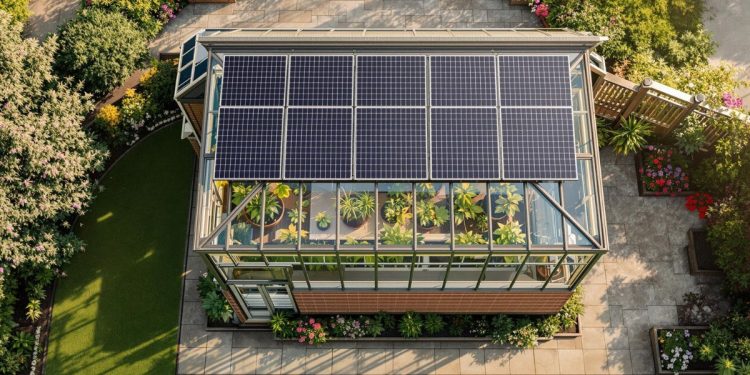
Several factors determine how many solar panels a greenhouse needs. The right system depends on energy demands, location, and greenhouse size. Understanding these factors helps ensure efficient energy production and year-round greenhouse operation.
To determine how many solar panels a greenhouse needs, it's important to calculate energy use. Heating systems typically consume the most power, followed by lighting and watering systems.
For example, a 500W heater running for 8 hours daily uses 4,000Wh (4kWh) per day. Adding lighting (100W for 10 hours) and irrigation (200W for 3 hours) brings the total daily consumption to 5,300Wh (5.3kWh). These numbers help estimate how much solar power is needed to meet greenhouse energy demands.
The number of panels required depends on greenhouse size and energy usage.
For example, a 300 sq ft greenhouse needing 5kWh daily would require 12-16 solar panels (250W each), depending on sunlight availability and efficiency.
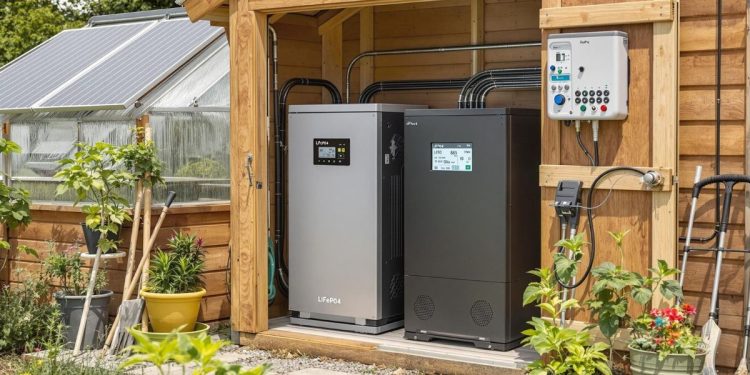
Batteries store excess solar energy, ensuring a steady power supply when sunlight is limited. Lithium-ion and LiFePO4 batteries are the most efficient options, offering long life spans, fast charging, and reliable performance.
Choosing the right battery size depends on greenhouse energy needs. A small greenhouse may need a 1-2 kWh battery, while larger setups might require 5 kWh or more. Proper storage ensures essential systems like heating and lighting continue running during cloudy days or nighttime.
Besides batteries, other methods can store solar energy for later use.
Stored energy can power additional greenhouse equipment, reducing reliance on the grid. Excess energy can run fans, water pumps, and automated systems, improving efficiency.
In some locations, surplus solar energy can be sold back to the grid, providing cost savings and promoting renewable energy use. Grid-tied greenhouses can benefit from feed-in tariffs, offsetting energy costs when solar production exceeds daily needs.
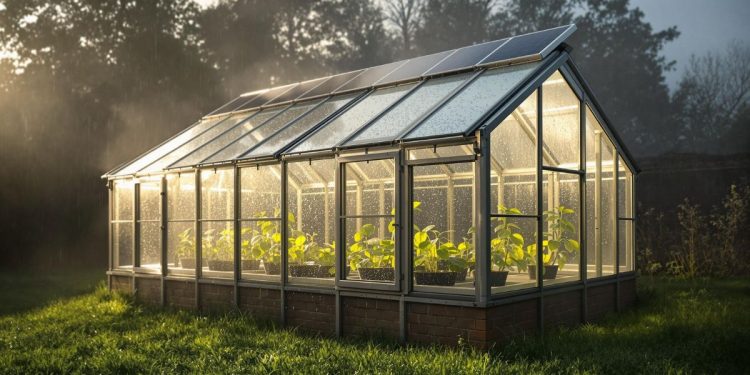
The UK's cloudy weather can reduce solar panel efficiency, making energy production less consistent. Shorter daylight hours in winter also limit how much power panels can generate. Using high-efficiency solar panels helps maximise energy capture, even in low-light conditions.
Proper panel positioning, such as tilting panels toward the south, improves sunlight absorption. Battery storage is also essential for storing excess energy for use on overcast days.
Installing solar panels and battery storage requires a significant upfront investment. Costs vary depending on greenhouse size and energy needs. However, government incentives and grants can help offset expenses. Over time, solar panels reduce electricity bills, leading to long-term cost savings.
Many greenhouse owners find that the initial investment pays off through lower energy costs and increased sustainability (1).
Several factors must be considered when setting up a solar-powered greenhouse. The system size should match the energy demands of heating, lighting, and irrigation. For off-grid greenhouses, reliable battery storage ensures continuous power.
Solar systems are also scalable, meaning growers can start small and expand as needed, making them a flexible energy solution.
Solar panels convert sunlight into electricity but require an inverter and battery storage to provide continuous power. A solar generator combines solar panels with a built-in battery and inverter, making it a portable, all-in-one power solution.
While both reduce greenhouse gas emissions, solar generators are ideal for backup power, while standard solar panel systems are better for long-term greenhouse energy needs. Choosing between the two depends on energy demands, budget, and whether a greenhouse operates on or off the grid.
Yes, a solar-powered greenhouse can operate off-grid with the right system in place. It requires a sufficient number of solar panels, battery storage, and energy-efficient heating and lighting to function without grid electricity.
Portable power stations can also provide backup energy during periods of low sunlight, ensuring continuous operation. A well-designed off-grid system balances energy production, storage, and consumption to maintain optimal growing conditions year-round.
Solar panels generate clean energy, producing no harmful emissions, unlike fossil fuels, which contribute to climate change. While fossil fuel-powered heating systems provide consistent energy, they rely on non-renewable resources and can be costly over time.
Solar panels have higher upfront costs but lead to long-term savings, as sunlight is free and systems require minimal maintenance. Switching to solar reduces carbon footprint while ensuring a sustainable and eco-friendly greenhouse operation.
Yes, solar panels still generate electricity during storms, but efficiency decreases due to cloud cover and lower sunlight levels. Heavy snowfall can block sunlight if it accumulates on the panels, so regular clearing is essential for maintaining energy production.
Many panels are designed with a slick surface that helps snow slide off naturally. Installing panels at an angle also prevents snow buildup and maximises sunlight exposure during winter months.
Most solar panels last 25 to 30 years, with efficiency gradually declining over time. Regular cleaning and maintenance can extend their lifespan, ensuring optimal energy production. While the panels themselves are durable, inverters and batteries may need replacement every 10-15 years.
Investing in high-quality components and proper installation helps maximise the long-term benefits of a solar-powered greenhouse.
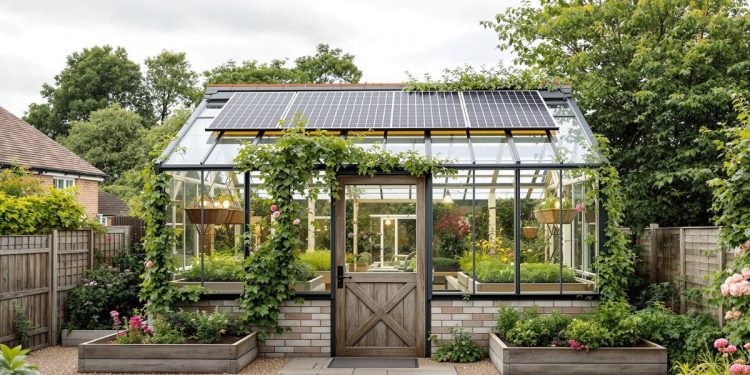
Solar panels offer a reliable and sustainable way to power a greenhouse, reducing electricity costs and environmental impact. While challenges like limited sunlight and initial costs exist, proper system design, battery storage, and efficient energy use can ensure year-round operation.
By switching to solar, greenhouse owners can achieve energy independence, minimising reliance on traditional power sources. With the right setup, solar-powered greenhouses provide a long-term, eco-friendly solution for growing plants in any season.
Sources -

If you want a job doing, Jeff’s your man. Our all-around resident man on the tools, Jeff’s shirt is always covered in paint and his coffee is never without wood chippings. Always on the go and a fully qualified joiner, Jeff is a professional reviewer and has great knowledge about tools, design, installation and is a force to be reckoned with