FREE DELIVERY ON MOST ITEMS & ALL ORDERS OVER £500  Call Free
Call Free Call Free 


Key Takeaways -
Greenhouses help plants grow by creating a controlled environment that protects them from weather changes and extends the growing season. While there are many types, one stands out as the most common due to its practicality and effectiveness.
This article will explain which greenhouse is the most popular in the UK and why so many gardeners choose it. It will cover its key features, benefits, and how it supports plant growth.
Keep reading to find out the best greenhouse for your needs and why one type remains the top choice for UK gardeners. Whether you're new to gardening or experienced, knowing the advantages of the most common greenhouse will help you make the right decision.
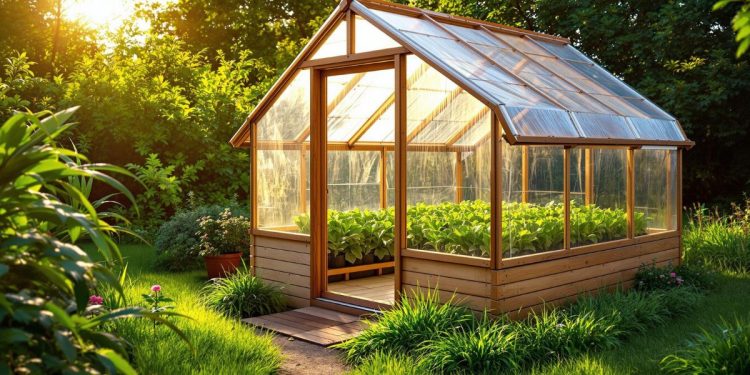
Greenhouse frames are usually made from aluminium, wood, or plastic resin. Aluminium greenhouses are lightweight, strong, and low-maintenance. Wooden greenhouses offer better insulation and a classic look but require regular upkeep.
Plastic resin frames are durable, cost-effective, and work well with plastic glazing, though they may not be as sturdy in extreme weather.
Greenhouse glazing affects light transmission and heat retention. Toughened glass is durable and allows maximum sunlight but can be costly. Polycarbonate panels provide good insulation and are shatterproof, making them safer.
Plastic sheeting is affordable and lightweight but doesn’t last as long. The right choice depends on your budget, climate, and plant needs.
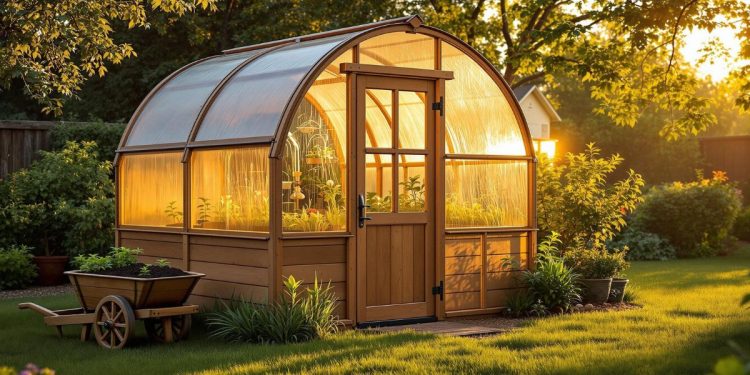
The traditional freestanding greenhouse is the most common type in the UK (1). It is a standalone structure that provides plenty of space for growing plants and can be placed in the best position for sunlight exposure. This makes it a popular choice for both hobby gardeners and commercial growers.
Its design allows for easy access, good airflow, and flexibility in layout, making it a reliable option for growing plants year-round.
Freestanding greenhouses are widely used because they are available in many sizes, making them suitable for different garden spaces. They offer ample growing space and can be placed anywhere with proper sunlight. Unlike lean-to greenhouses, they do not rely on an existing wall for support.
This independence allows for better temperature control and ventilation. The ability to customise the structure with various frames and glazing materials also makes it a practical option for gardeners with different needs.
Traditional freestanding greenhouses are popular because they are adaptable to different garden spaces and offer excellent growing conditions. Several factors contribute to their durability, insulation, and overall performance.
A gable roof greenhouse is a common type of freestanding greenhouse with a pointed roof, similar to a house. This design improves air circulation and creates a spacious interior for plants and gardeners. The shape helps distribute heat evenly, preventing cold spots and reducing condensation.
The higher roof allows for better vertical growing space, making it easier to move inside. Compared to Quonset-style, A-frame, and Gothic arch greenhouses, gable roofs provide a stronger structure and better stability in extreme weather, making them a preferred choice for long-term gardening.
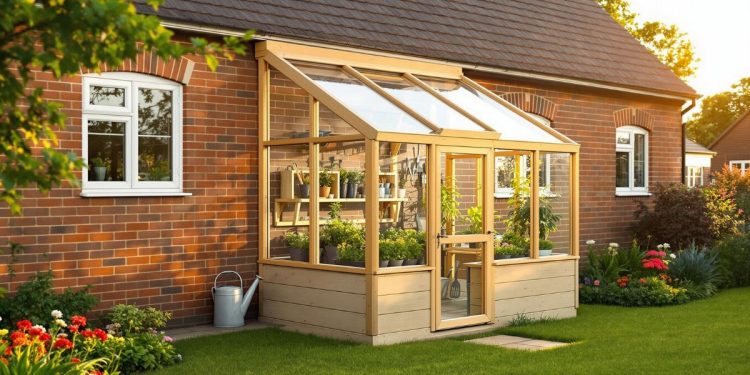
Lean-to greenhouses are attached to an existing wall, making them cost-effective and space-saving. They absorb heat from the building, reducing energy costs and keeping temperatures stable. This design is ideal for small gardens and urban spaces where space is limited.
Lean-to greenhouses also provide easy access to utilities like electricity and water, making them a convenient choice for year-round growing.
Quonset greenhouses have a rounded, tunnel-like shape, often covered with plastic sheeting. They are affordable, easy to assemble, and perform well in strong winds and heavy snowfall. Their curved design reduces material costs while offering good insulation.
However, they have limited headroom and storage space, which may not be ideal for taller plants or shelving. These greenhouses are commonly used for commercial growing due to their efficiency and cost-effectiveness.
Polytunnel greenhouses are large, interconnected structures covered in flexible plastic. They provide ample growing space, making them popular for commercial farming and large-scale food production.
Their lightweight yet durable design allows for extended growing seasons, protecting plants from cold weather and excessive moisture. While they lack the sturdiness of glass greenhouses, their affordability and customisable ventilation make them a practical choice for those growing crops in bulk.
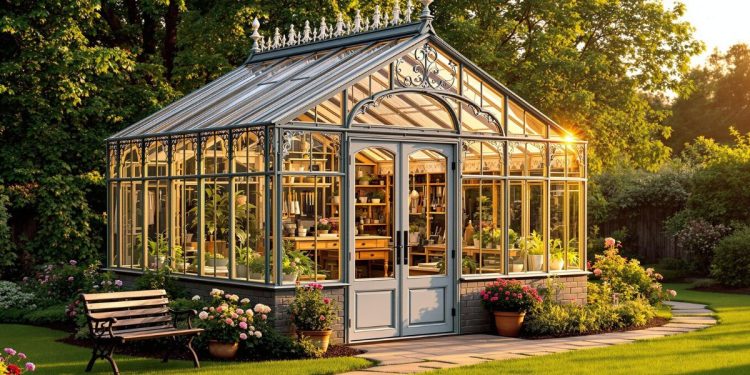
Victorian greenhouses are elegant and highly durable, often featuring cast-iron frames and toughened glass. Their ornate design makes them a stylish addition to gardens while also providing excellent insulation. These greenhouses retain heat well, allowing for stable temperatures throughout the year.
While they tend to be more expensive than other styles, their long-lasting construction and visual appeal make them a top choice for those looking to combine function with aesthetics.
A freestanding greenhouse or a lean-to greenhouse is ideal for growing outdoor plants in containers. These greenhouses provide temperature control, protection from harsh weather, and optimal sunlight exposure.
A lean-to greenhouse can also absorb heat from an adjacent building, offering extra warmth for container plants during colder months. Proper ventilation and shelving can help maximise space and improve plant health.
Plastic greenhouses, especially polycarbonate and polytunnel designs, work well in the UK’s unpredictable weather. They provide good insulation, are lightweight, and resist strong winds better than traditional glass.
However, cheaper plastic sheeting may degrade faster, so choosing UV-stabilised materials improves durability. For long-term use, a polycarbonate greenhouse is a better option than thin plastic film structures.
A foundation is not always required for a traditional greenhouse, but it improves stability and insulation. Greenhouses on soft soil may shift over time, so a gravel, concrete, or brick base helps prevent movement. A proper foundation also improves drainage, reducing the risk of water pooling inside.
For permanent installations, a concrete base is recommended.
Yes, you can plant directly in the soil inside a greenhouse, but proper drainage and soil quality are important. Many gardeners use raised beds or prepared soil beds to maintain nutrients and prevent compaction.
Growing in the ground allows strong root development and makes use of natural soil warmth. Regular soil amendments help maintain fertility for long-term greenhouse growth.
Many plants thrive year-round in a greenhouse in the UK’s mild climate. Leafy greens like lettuce, spinach, and kale, along with herbs like basil and parsley, grow well throughout the year. Tomatoes, peppers, and cucumbers can also be produced for longer seasons with controlled temperatures.
For winter growing, consider cold-hardy crops like carrots, chard, and onions.
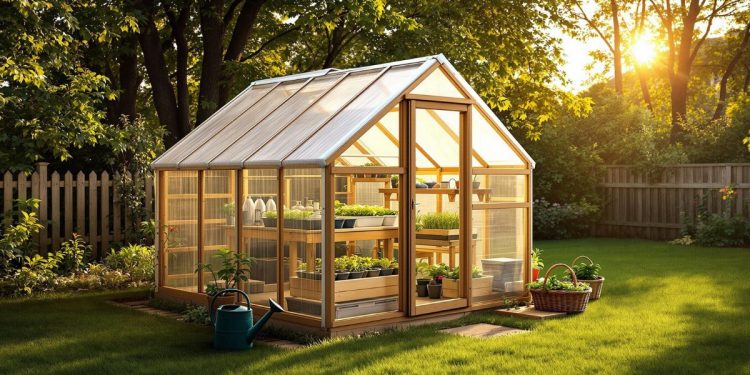
The traditional freestanding greenhouse remains the most common and versatile choice for UK gardeners, offering optimal sunlight exposure, ample growing space, and year-round plant protection.
While other greenhouse types, such as lean-to, Quonset, polytunnel, and Victorian designs, provide unique benefits, the freestanding model remains the most adaptable for various needs. Choosing the right frame, glazing, and ventilation ensures durability and efficiency.
Whether for container gardening, seed starting, or year-round crop production, a well-maintained greenhouse can significantly enhance plant growth. Understanding these options will help you select the best greenhouse for your garden space and climate.
Sources -

If you want a job doing, Jeff’s your man. Our all-around resident man on the tools, Jeff’s shirt is always covered in paint and his coffee is never without wood chippings. Always on the go and a fully qualified joiner, Jeff is a professional reviewer and has great knowledge about tools, design, installation and is a force to be reckoned with